
Nobody is Coming to Save Us
Not like that.

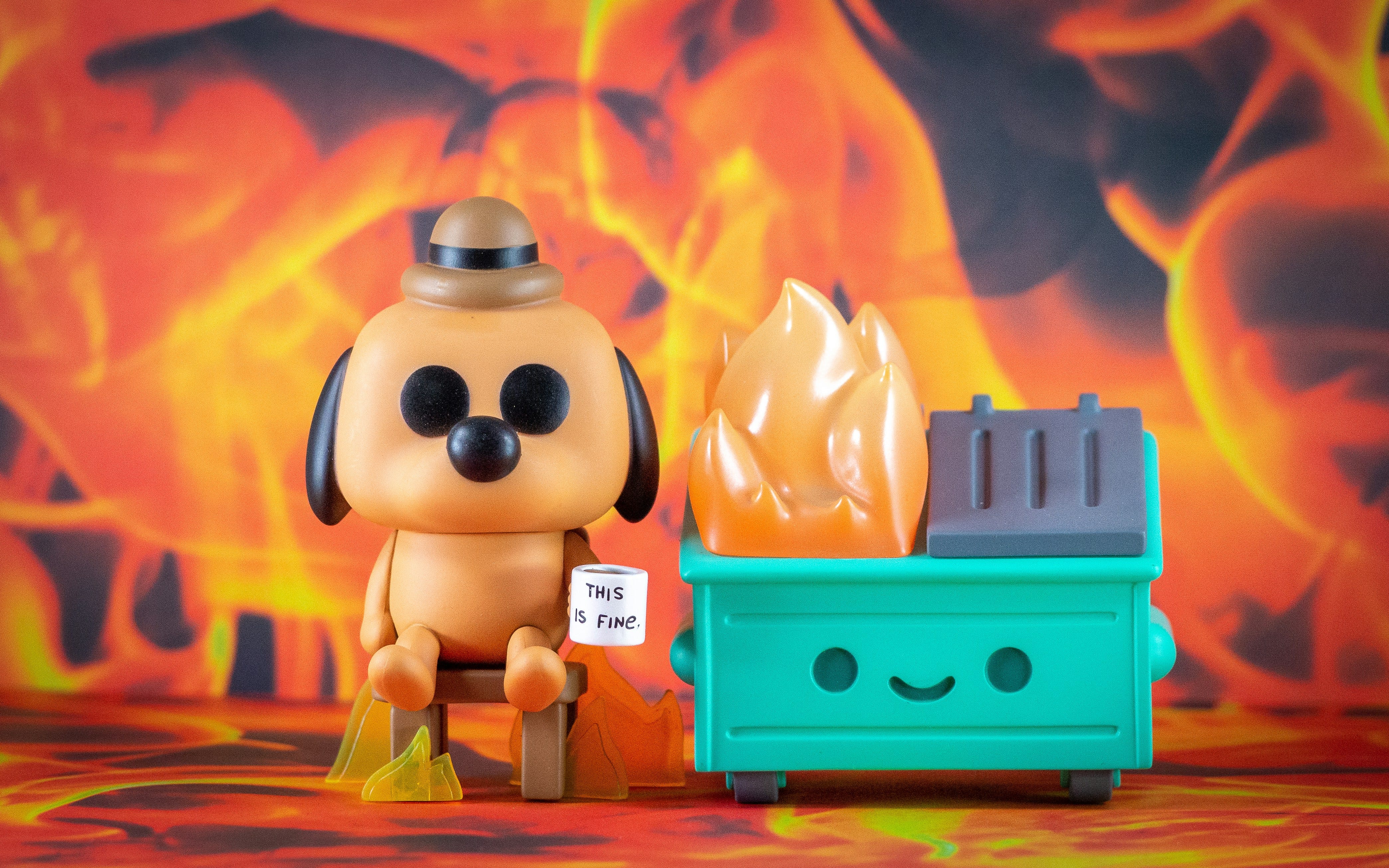
There I was, 15 years old, sitting in front of the cops, trying not to cry.
Some of us learn this lesson early in life:
Nobody is coming to save you.
Of course, that’s not entirely true. Someone will come to save you, for a fee. They’ll save you if it serves their interests. You have to be worth saving. That’s not what I believe, but that’s how the system works. Always has. It’s just becoming a lot more transparent these days.
As the climate crisis deepens, as the grip of fascism tightens, more of us are starting to see it. Some of us are panicking. Some of us are trying to fight. Some of us are posing as resistance. Others wallow in denial. Sooner or later, though, they’re all going to learn what I learned as a kid. It’s a lesson that almost nobody wants to understand until it’s too late.
How did I learn it so young?
That was the day.
It was the day I sat on the porch, trying not to cry in front of the cops. If I remember, two of them went inside to get my mom. The other two stood on the porch. One of them looked at my brother and me. She had this look on her face. Pity, maybe? Her mouth opened. She was about to say something like, “You poor things.” But she stopped herself. The other cops came out with my mom in handcuffs. They left, and that was it. Finally, we were safe. But not really.
It was temporary.
That was just the beginning. There would be more days like that, so many I lost count. My teens are a blur of ER waiting rooms, coming home, wiping up bodily fluids, or locking the bedroom door and trying to see a better future in the moonlight. They’re a prism of aborted vacations, following a schizophrenic down the beach at night, trying to keep her from walking into the ocean, while a dad sits on the balcony smoking cigarettes, wondering what to do.
Our families didn’t help.
Sure, they showed up with the best of intentions. Grandparents. Uncles. Aunts. Cousins. They all drove across state lines with care and courage in their hearts. Within 24 hours, they all gave up.
They said, “I can’t deal with this.”
They left.
My friends didn’t help.
They didn’t want to hear about someone’s crazy mom. They didn’t care about the hallucinations, the conspiracy theories, the physical attacks. It made them uncomfortable. They didn’t have a spare bed or even a couch for someone in crisis. It was rude of me to ask. One of my best friends cussed me out. Another rolled their eyes and told me to grow up. Years later, after my mom’s death, they tried to apologize. They thought I was being dramatic. They didn’t know. That’s just it. They could’ve known. They could’ve listened. They didn’t.
Boyfriends didn’t help. Talk about your schizophrenic mom too soon, and you scare them away. You’re damaged goods…
Doctors didn’t help.
They took our money. They ran the tests. They sat on the results. They prescribed medications. They rolled their eyes.
The system didn’t help.
Social workers called me out of class to answer questions. They read from a form. You could tell what kind of answers they wanted. They wanted lies. They wanted to fill out the sheet, and they wanted to get out of there. If I could pretend to be normal, that was good enough. That’s when I started to learn a related lesson:
Nobody wants the truth.
It’s inconvenient.
Courts ordered medication, but a judge won’t come to your house and force your mom to take her pills. You have to do that.
Police didn’t want to come.
Your mom won’t let you into the kitchen? She says you can’t eat? She says you’re an alien clone? Weird. Moms, huh? Aren’t you 16?
You can’t deal with it?
Insurance companies didn’t help. They did everything they could to avoid the cost of caring for a schizophrenic. The bills almost bankrupted us. Savings? Gone. College fund? Gone. The only scholarships available were ones I had to earn with perfect grades and test scores. The one time someone did actually listen to my problems, they said, “Why don’t you just run away?”
Some of us learn early. In America, especially, you don’t get help. You get lectures on self-reliance and attitude adjustment.
This isn’t the kind of lesson you learn once.
You learn it over and over again:
Nobody is coming to save you.
So I saved myself.
I made the grades. I crushed the tests. I earned the scholarships. I earned a spot on varsity track. I earned a reputation as one of the best cellists in the state. I researched trauma and recovery. I negotiated with my demons. I was the teen who learned how to buy groceries, do laundry, cook dinner, all while dodging attacks from a paranoid schizophrenic. I learned how to act normal. I learned how to convince everyone I wasn’t broken. I earned a PhD. I earned tenure.
Yes, I had nightmares. I had meltdowns. I had episodes of uncontrollable rage. But I learned how to keep it all safely tucked away from the workplace and the classroom. I learned to perform the version of myself everyone expected.
It worked.
I saved myself by learning how to put my own pain aside and provide value for a capitalist society. I became the friend that listens to everyone else’s problems. I got married. I started a family. I bought a house.
No, that’s not really how you recover from trauma. But that’s how you create the space and the circumstances to do the recovery work yourself. It’s how you avoid winding up in your own padded cell. I thought I’d won.
In early 2020, life looked pretty good.
And then…
The last few years have reminded me that nobody is coming to save us. Not from fascism. Not from a world on fire.
A lot of different groups out there think they have it right. They think they have the answers. They have part of an answer. They won’t listen to anyone who has the rest of the answers. They’re not interested.
When I look at the socio-political landscape these days, I see the people who showed up thinking they could solve my problems with words, forms, and court orders. But you can’t debate away a schizophrenic mom, any more than you can debate away the climate crisis or a genocide. They stay.
They destroy.
It’s hard to overstate the disadvantages of growing up with a schizophrenic parent. Everything you learn from a mom, every source of comfort or protection they provide, imagine getting none of that. Imagine the one person who’s supposed to be there for you, well, they’re not. They don’t just die. They don’t just abandon you. They become a continual threat to your life. And it was like that from the beginning. It just didn’t get bad enough to involve the cops until later.
Little did I know my trauma was just a training exercise for a dystopian future, but that’s how it turned out. So in some ways, I’m almost grateful for those early lessons. It was a crash course in survival.
I’m not looking for comfort or protection from someone else, because I never had it. Nobody allowed me time to grieve or recover. I had to make it for myself, while staying alive. For a long time, I tried to change the system. I tried to make it more caring, more compassionate. But it’s too late. The system itself is falling apart now. We’re not going to change it.
It’s just going to collapse.
It’s going to collapse because despite a few good eggs, the world is full of people who can’t find a way to help a 15-year-old girl with a schizophrenic mom. And if they can’t do that, how likely is it they’ll solve the other problems?
In my opinion, not likely…
The world is also full of people trying to find comfort or protection from someone else, instead of solutions. They want moms and dads.
Pep talks don’t work on people like me because I never got them. Nobody ever sat me down and told me to have hope. I was either going to survive my trauma, or I wasn’t. I had to find a way. The help I got was information. It was knowledge. It was skill. I had to find it. I had to learn it. Now that I’ve got it, I’m trying to show it to others. That’s how you can actually help someone.
All this other stuff…
Now more than ever, you have to save yourself, for as long as you can. That’s why my family doesn’t swaddle ourselves in the promises of politicians, even the ones who seem to be getting a few things done. They can make things better, but they have limits. Mamdani or AOC might do their best, but they can’t save you from a flood or a drought 500 miles away. You have to do that.
Twenty years after I saved myself the first time, I’m saving myself again. This time, I’m doing it with rain barrels and composting toilets. I’m doing it with solar panels and raised beds. And here’s another lesson:
Just because nobody is coming to save you, that doesn’t mean you can’t try to help someone else. That’s the hardest lesson of all, to realize that nobody is coming to save you, but to keep that from turning you cynical.
You can be the person you always needed.
Even in a dystopian hellscape.
That’s real power.
My mother suffered from severe depression. She never got help. Now she has dementia and sees herself as a victim, even though by any standard she had a good life. She is intolerable to be around.
My father was selfless, smart, and ethical. He was a wonderful provider not just to us, but also in protecting his colleagues. We paid the price for his unwavering standards by being forced to move repeatedly for new jobs. I never had a stable community, and being the new kid on the block always revealed the nasty boys destined to become nasty men.
Nasty has won out. The habitability of the planet has been breached. You're right, nobody is coming to save us. With rare exceptions, humans are simply dumb.
A horrific, yet thoughtful (and paradoxically hopeful) essay. You are powerful in the right way with the right message.
“Just because nobody is coming to save you, that doesn’t mean you can’t try to help someone else. That’s the hardest lesson of all, to realize that nobody is coming to save you, but to keep that from turning you cynical.”
Keep being strong. Thank you.